
The Defendants of Beatrice Mtetwa: Faces Behind the Cases
The documentary Beatrice Mtetwa and the Rule of Law is not only the story of one remarkable lawyer — it is the story of the people she risked everything to defend. These clients were journalists, human rights workers, opposition politicians, and civil society leaders who faced arrest, torture, and imprisonment under Robert Mugabe’s authoritarian government. Their cases are documented in the film and form the backbone of Beatrice Mtetwa’s lifelong fight for justice in Zimbabwe.
To understand the full context of their stories, see our About the Film page and our feature on Beatrice Mtetwa’s biography and legacy.
Jestina Mukoko
Jestina Mukoko is the director of the Zimbabwe Peace Project, a human rights organization that monitors and documents political violence across Zimbabwe. In December 2008, she was abducted from her home by state security agents and held without charge for 89 days. For the first three weeks of her detention, her whereabouts were unknown, and many feared she had been killed. She was eventually charged with plotting to overthrow the government — charges that were later thrown out. Beatrice Mtetwa fought fiercely for her release and against the trumped-up charges brought by the Mugabe regime.
Gift Phiri
Gift Phiri is a Zimbabwean journalist who was reporting for the UK-based newspaper The Zimbabwean when he was abducted and arrested by state police for “publishing false news.” For five days, Phiri was beaten and jailed in the Harare Central Police Station. Beatrice Mtetwa secured his legal defense and fought his case through the courts. Gift Phiri was ultimately acquitted of all charges and went on to become chief writer for the Harare-based Daily News. His case is a stark example of the Mugabe government’s weaponization of criminal law against the press.
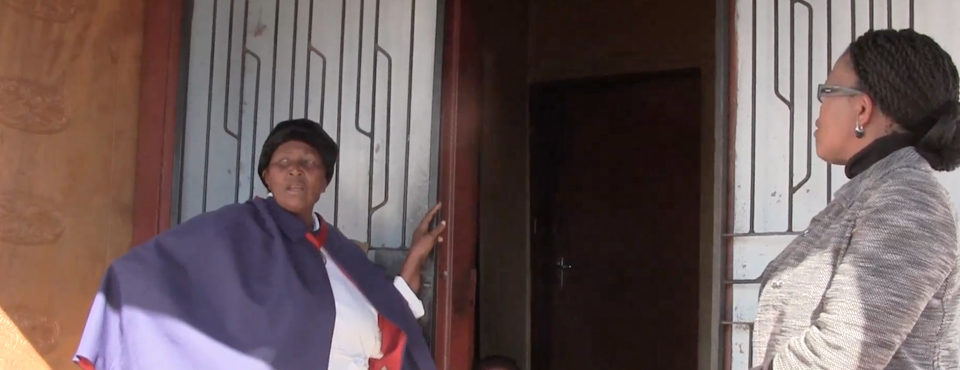
Roy Bennett
Roy Bennett was a third-generation Zimbabwean farmer who was elected to Parliament as a member of the opposition Movement for Democratic Change. His political opposition to Mugabe made him a target: the government illegally seized his coffee farm, and Bennett faced a series of escalating criminal charges — ranging from allegedly trying to assassinate Mugabe to physically pushing a cabinet minister in Parliament. He was arrested and imprisoned multiple times. Bennett eventually fled Zimbabwe to protect his life and his family’s safety. His case is among the most prominent that Beatrice Mtetwa fought against state-sponsored persecution.
Elias Mudzuri
Elias Mudzuri made history as the first member of the Movement for Democratic Change to be elected mayor of Harare, Zimbabwe’s capital city. Within a year of taking office, he was arrested and beaten by Mugabe’s police. Four months later, the Mugabe government physically locked him out of the mayor’s office, effectively removing a democratically elected official. His experience illustrates the systematic dismantling of democratic institutions that characterized the Mugabe era — and the role that lawyers like Beatrice Mtetwa played in resisting it through legal means.
A Pattern of Persecution
The defendants above are not isolated cases. They represent a deliberate pattern: the Mugabe government’s use of the criminal justice system as a weapon against journalists, human rights defenders, and political opponents. Beatrice Mtetwa chose to defend each of them at considerable personal risk, earning her international recognition as one of Africa’s most courageous human rights lawyers.
Learn more about the film’s distribution and outreach efforts that brought these stories to international audiences, or read about the funders and supporters who made the documentary possible. You can also explore the filmmakers and principals behind the production.
For a current update on where these individuals are today, read our article: Where Are They Now? The People Behind Beatrice Mtetwa and the Rule of Law in 2025.